
Outdoor LED Screen Procurement Guide
A screen that looks excellent on a supplier’s brochure can still be the wrong fit for your site, your audience and your operating budget. That is why an outdoor LED screen procurement guide should start with the practical reality of where the display will sit, what it needs to achieve and who will be accountable when conditions are less than ideal.
For most commercial buyers, the risk is not simply choosing the wrong screen. It is buying a system that performs well in theory but creates avoidable issues once installed – poor visibility in direct sunlight, awkward maintenance access, planning complications, connectivity headaches or support gaps when something needs attention quickly. Good procurement reduces those risks early, before specification sheets and quotations start to look similar.
What this outdoor LED screen procurement guide should help you decide
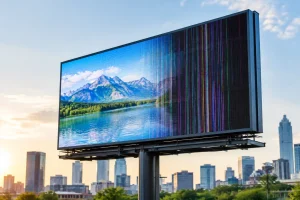
Outdoor LED is rarely a simple like-for-like purchase. Two displays may appear comparable on paper while serving very different commercial purposes. A roadside advertising billboard has different demands from a retail park welcome screen, a transport information display or a leisure venue feature wall. The right procurement process is less about finding the cheapest unit and more about matching the system to the application.
Start by defining success in plain terms. Do you need to attract passing traffic at distance, monetise advertising space, modernise site communications or improve the customer experience on arrival? Those goals affect screen size, pixel pitch, brightness, structure, content strategy and software requirements. They also influence whether a standard format is suitable or whether a bespoke solution is the better long-term choice.
Budget matters, of course, but headline cost rarely tells the full story. A lower purchase price can be offset by shorter product life, higher maintenance demands, weaker component quality or limited aftercare. For high-visibility public-facing assets, whole-life value is usually the better measure.
Start with the site, not the screen
The most reliable procurement projects begin with the physical environment. Before discussing cabinet design or resolution, assess the site properly. Viewing distance, traffic speed, ambient light, local obstructions, prevailing weather and available power all shape the right specification.
A screen facing a busy road needs a different approach from one mounted in a shopping centre car park. If viewers are moving quickly, the message must be legible at speed and from greater distance. In that case, chasing the tightest pixel pitch may add cost without improving the result. On the other hand, if audiences are closer and dwell time is higher, image detail becomes more important.
Site conditions also affect durability. Outdoor screens in exposed locations need cabinet construction, weather protection and thermal management suited to British conditions year round. Rain ingress protection is one part of the picture, but so are wind loading, corrosion resistance and the ability to maintain stable performance through seasonal temperature changes.
Planning, structural and electrical considerations should be reviewed at this stage too. A procurement exercise that ignores these practicalities can become expensive later. It is far better to confirm mounting strategy, structural requirements, access equipment and power availability before the final specification is signed off.
Choosing the right specification without overbuying
This is often where buyers feel pressure, because technical language can make every feature sound essential. In reality, the best specification is the one that serves the application properly without unnecessary cost.
Brightness is a good example. Outdoor LED screens need sufficient luminance to remain clear in daylight, but more is not always better. Excessive brightness can create compliance concerns, poor night-time presentation and wasted energy. Automatic brightness adjustment is often just as important as maximum output because it keeps the display readable and appropriate throughout the day.
Pixel pitch should be considered in relation to viewing distance. Finer pitch increases resolution, but if the screen is viewed mainly from the roadside or at long range, the commercial benefit may be limited. Buyers sometimes pay for image detail their audience will never notice.
Screen size and aspect ratio deserve the same scrutiny. Content often works best when the display format supports the intended use from the outset. Advertising loops, brand campaigns, wayfinding messages and public information can all place different demands on layout. A bespoke screen can sometimes make better use of the site and content strategy than an off-the-shelf format.
Reliability should sit near the top of the specification checklist. Ask about LED quality, power supplies, control systems, cabinet tolerances and front or rear maintenance access. You are not just buying a display surface. You are buying a working system expected to perform consistently in public view.
Supplier selection is as important as product selection
A strong product from the wrong supplier is still a risky purchase. Outdoor LED projects involve design, manufacturing, logistics, installation, commissioning and long-term support. If responsibility is fragmented, so is accountability.
This is why experience matters. A specialist supplier should be able to explain not only what they recommend, but why it suits your site, budget and commercial aims. That consultative approach often tells you more than the quotation itself. Good suppliers ask sensible questions, challenge weak assumptions and flag issues early rather than after the order is placed.
Support capability is equally important. When a public-facing screen is part of your revenue model or customer experience, downtime has a cost. Ask how faults are handled, what warranty cover includes, whether spare parts are readily available and who provides service support after handover. A procurement decision should not end at installation day.
For many UK buyers, there is real value in working with a supplier that designs and delivers systems with local accountability. Communication tends to be clearer, site coordination easier and support more responsive. With a specialist such as LEDsynergy Billboards, that end-to-end approach can remove many of the gaps that appear when multiple contractors share responsibility.
Questions every buyer should ask before placing an order
A sensible outdoor LED screen procurement guide should include the questions that reveal whether a proposal is genuinely fit for purpose. Ask how the recommended screen relates to actual viewing distance and audience behaviour. Ask what assumptions have been made about structural support, power supply and maintenance access. Ask whether brightness control is automatic and how the system performs in direct sun, poor weather and at night.
It is also worth asking how content will be managed in practice. Many procurement decisions focus heavily on hardware while software, connectivity and user permissions receive less attention. Yet these areas often shape the day-to-day success of the display. A good system should be straightforward for your team to update, monitor and schedule without unnecessary complexity.
Timelines should be tested as well. Procurement, planning, manufacture, installation and commissioning all need realistic sequencing. If a supplier promises unusually fast delivery, ask what is and is not included in that promise.
Looking beyond purchase price to total project value
Cheap screens are rarely cheap if they fail early, consume too much power or require repeated call-outs. Equally, the highest specification is not automatically the best investment. The stronger test is whether the system gives you dependable performance, sensible operating costs and a working life that supports your return on investment.
Energy use, maintenance strategy and serviceability all affect total cost of ownership. So does build quality. Cabinets that are easier to service and components chosen for reliability can reduce disruption over time. That matters whether the screen is generating advertising revenue or representing your brand on a prominent site.
There is also the value of getting the specification right first time. Rework, upgrades and remedial works can quickly erase any saving made during procurement. A properly scoped project may appear more considered at the outset because it is. In most cases, that caution pays for itself.
Why bespoke thinking often produces the better result
Many buyers start by asking for a standard outdoor LED screen and only later realise the site or commercial objective needs something more tailored. That is common, particularly in mixed-use developments, transport environments and venues where architecture, visibility and audience flow all vary.
A bespoke approach does not have to mean overcomplication. Often it simply means adapting the screen size, structure, maintenance method or control setup to suit the real-world demands of the project. When that happens, the result is usually more practical, more cost-effective and easier to live with over time.
Procurement works best when it is treated as a design and delivery decision, not just a product purchase. If your supplier understands the full journey from survey to support, you are far more likely to end up with a screen that performs as promised and continues to do its job year after year.
The right outdoor LED screen is not the one with the longest specification sheet. It is the one that suits your site, serves your audience and comes with the kind of backup that lets you move forward with confidence.

I would recommend LED Synergy to anyone considering purchasing an LED sign. We have had so many compliments since it was installed and it has been a valuable asset.
Tom Hughes
OSI Food Solutions