
How to Integrate Billboard Software Properly
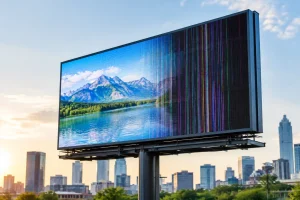
A digital billboard can look outstanding on day one and still underperform by month three if the software side has been treated as an afterthought. That is usually where buyers start asking how to integrate billboard software in a way that is reliable, secure and practical for day-to-day use. The screen itself matters, of course, but the real value comes from how well the display, content platform, network and reporting tools work together.
For most commercial sites, integration is not a single task. It is a chain of decisions that affects content control, uptime, future maintenance and how easily your team can manage campaigns. Get those decisions right early, and the billboard becomes a dependable asset rather than a recurring headache.
What integration actually involves
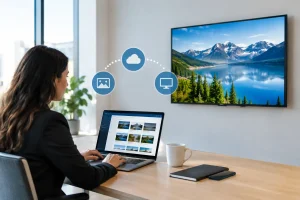
When people ask how to integrate billboard software, they are often thinking about uploading adverts to a screen. In practice, it goes further than that. Integration usually means connecting the LED display hardware, the media player or controller, the content management system, the site network, any third-party data sources, and the permissions around who can publish what.
That matters because every site operates differently. A retail park may need central scheduling across multiple screens. A transport location may need live service updates alongside advertising. A leisure venue may want local managers to update promotions while head office keeps control of brand campaigns. The right setup depends on who needs access, what content will run, and how critical uptime is.
Start with the operating model, not the software brochure
The first mistake buyers make is choosing a software platform based on features alone. A long feature list can look reassuring, but it does not tell you whether the system fits your site, your team or your commercial goals.
Start by defining how the billboard will be used. If it is a revenue-generating advertising screen, you may need campaign scheduling, proof of play, remote diagnostics and support for multiple advertisers. If it is part of your own estate communications, ease of use may matter more than advanced trading functions. If several departments will use it, approval workflows and user permissions become more important.
This stage is where an experienced supplier adds real value. Good integration planning should account for screen resolution, viewing distance, environmental conditions, connectivity options and the internal capability of your team. There is no benefit in specifying a complex content workflow if the people managing it need something straightforward and dependable.
How to integrate billboard software with your screen hardware
The hardware-software relationship needs to be right from the outset. Not every content platform works equally well with every controller, player or LED configuration. Compatibility should be confirmed before installation, not discovered during commissioning.
At a practical level, this means checking screen specifications, controller protocols, playback requirements and content resolution. A bespoke billboard installation may also involve custom dimensions, unusual aspect ratios or higher brightness settings for outdoor use. The software must handle those requirements without forcing awkward workarounds or degrading image quality.
It is also worth deciding where processing sits. Some systems rely on an external media player, while others integrate more directly with the display control hardware. Neither is automatically better. External players can offer flexibility, but they add another component to maintain. Integrated approaches can simplify the setup, but future upgrades may be more constrained. The right answer depends on the project, the environment and the support model behind it.
Connectivity is where many projects succeed or fail
Software integration is only as reliable as the connection behind it. If a billboard cannot communicate consistently with its CMS, remote updates become unpredictable and faults are harder to diagnose.
For that reason, connectivity planning should be treated as part of the billboard project, not left to chance. Some sites can use a fixed wired connection, which is often the most stable option. Others rely on 4G or 5G because of location constraints, temporary structures or planning around existing infrastructure. Wireless options can work very well, but they need proper signal assessment, data planning and fallback thinking.
There is also a security question here. A billboard connected to a wider business network should not be added casually. Access controls, firewalls, password policies and remote access permissions all need to be considered. For public-facing displays, that is not bureaucracy. It is basic risk management. The last thing any operator wants is a compromised screen or a preventable outage during trading hours.
Choosing the right CMS for billboard management
The content management system is the part your team will live with, so usability matters. The best platform is not necessarily the one with the most menus. It is the one that lets the right people update the right content quickly, without increasing the risk of mistakes.
A good billboard CMS should support scheduling by time and date, easy media uploads, user permissions, remote monitoring and clear playback control. For some organisations, templates are essential because they keep campaigns on brand and reduce design errors. For others, live integrations are more important, such as pulling in pricing, event updates, traffic messages or availability data.
There is always a trade-off between flexibility and simplicity. A highly configurable platform can be powerful, but it may require more training and tighter controls. A simpler system may suit a single-site operator perfectly but become limiting across a larger estate. That is why software selection needs to reflect your actual operating model, not an idealised version of it.
Integrating data feeds and third-party systems
Many billboard projects now go beyond static campaign scheduling. Screens are expected to display dynamic content based on time, weather, promotions, occupancy, transport information or campaign triggers.
This is where integration becomes more technical. If the billboard software needs to pull data from a booking platform, internal database or external feed, the format and reliability of that data become critical. A feed that updates inconsistently can create errors on screen. A feed with no fallback logic can leave blank spaces or outdated information if a service drops out.
For that reason, dynamic integrations should be planned with sensible safeguards. Cached content, default messages and alerting can all help maintain continuity. Live data can be very effective, but only if the supporting logic is sound.
Build in testing, permissions and support from the beginning
One of the most overlooked parts of software integration is governance. Who can publish content? Who approves changes? Who is called if the screen goes offline on a Sunday morning?
Those questions need clear answers before launch. A well-integrated billboard system should include role-based access, a straightforward approval process where needed, and documented escalation for technical issues. In larger organisations, this avoids the all-too-common problem of too many people having access and no one being fully accountable.
Testing is equally important. Before the billboard goes live, the full chain should be checked under real conditions. That includes content uploads, scheduling, remote login, failover behaviour, playback quality and any data integrations. Proper commissioning takes time, but it is far less costly than correcting faults after campaigns have already been sold or public messaging has gone live.
Think beyond launch day
If you are investing in a commercial digital billboard, software integration should support the screen for years, not just the first few weeks. That means considering updates, licence structures, remote support, replacement hardware and whether the system can scale if you add more locations.
This is often where a consultative supplier stands apart from a box-shifter. At LEDsynergy Billboards, projects are approached with the wider picture in mind – from screen design and installation through to connectivity, commissioning and practical long-term operation. That matters because support is not an extra; it is part of making sure the solution works properly in the real world.
Futureproofing does not mean overcomplicating the project. It means choosing a setup that can adapt without forcing a full reset later. A single-screen site today may become a network tomorrow. A promotional display may later need revenue reporting or dynamic content triggers. The software should not hold the asset back.
Common mistakes to avoid when integrating billboard software
Most integration problems are predictable. The software is chosen before the use case is defined. Connectivity is assumed rather than tested. Multiple suppliers are involved, but nobody owns the full outcome. Or the system goes live without enough training for the people expected to use it.
There is also a tendency to focus only on launch. A billboard that looks good at handover can still become difficult to manage if permissions are unclear, support is slow or content workflows are clumsy. In a busy commercial environment, those friction points soon become operational problems.
The safer approach is to treat software integration as part of the engineering and service plan, not just a marketing requirement. That keeps decisions grounded in performance, accountability and ease of use.
A well-integrated billboard should make your operation simpler, not more complicated. If the setup reflects your site, your team and your commercial objectives from the start, the screen has every chance of becoming a reliable long-term asset rather than a demanding piece of kit. That is usually the difference between a project that merely goes live and one that continues to deliver value year after year.

I would recommend LED Synergy to anyone considering purchasing an LED sign. We have had so many compliments since it was installed and it has been a valuable asset.
Tom Hughes
OSI Food Solutions