
Choosing a Weatherproof LED Billboard Screen
A weatherproof LED billboard screen is only as good as its performance on a wet January morning, during a summer heatwave, and after years of roadside exposure. That is the reality for property operators, venue managers and commercial buyers investing in outdoor digital display. The screen may look impressive in a brochure, but what matters on site is whether it keeps delivering clear, reliable content in real British conditions.
For most buyers, the question is not simply whether a screen is rated for outdoor use. It is whether the complete system has been designed properly for the location, the audience and the commercial objective. A roadside advertising screen, a retail park display and a transport hub information board all face different demands. Getting that right first time saves disruption, protects revenue and avoids expensive remedial work later.
What makes a weatherproof LED billboard screen truly fit for outdoor use
Weatherproofing is often reduced to an IP rating, but that is only one part of the picture. Yes, ingress protection matters. It gives you a baseline for resistance to water and dust, and it should never be treated as optional for an outdoor installation. But a dependable outdoor LED display also depends on cabinet construction, front and rear sealing, drainage, corrosion resistance, thermal management and the quality of the components inside the screen.
In the UK, weather rarely stays in one lane. Wind-driven rain, temperature swings, airborne dirt, coastal salt in some regions and prolonged damp all take their toll. A screen that performs well in controlled conditions can struggle if the cabinet design, ventilation and servicing access have not been thought through. That is why experienced manufacturers look beyond headline specifications and focus on how the screen behaves over time.
A well-built system should be engineered to cope with prolonged outdoor exposure while maintaining image quality and operational stability. It should also be practical to maintain. If a display is difficult to access, expensive to service or vulnerable to repeated faults, the issue is not just technical. It becomes a business problem.
Brightness, visibility and viewing distance
Outdoor LED screens live or die by visibility. If the content cannot be read in daylight, the investment falls short. At the same time, specifying maximum brightness without considering the environment can create its own issues, including unnecessary power use, higher operating costs and poor viewing comfort in lower light conditions.
The right weatherproof LED billboard screen should be specified according to where it will be viewed from and how it will be used. A large-format roadside display viewed at distance has different requirements from a screen outside a shopping centre where audiences are closer and dwell time is longer. Pixel pitch, screen size and brightness need to work together.
This is where tailored design matters. There is no single best specification for every site. In some cases, a finer pixel pitch is worth the extra investment because the audience is close enough to benefit from it. In others, a coarser pitch is the more cost-effective option and performs perfectly well at the intended viewing distance. Buyers who are given one standard answer for every site should be cautious.
Why automatic brightness control matters
One feature that often deserves more attention is automatic brightness adjustment. Outdoor conditions change throughout the day, and the display should respond accordingly. Running a screen at full brightness all the time is rarely sensible. Intelligent brightness control improves legibility, reduces energy consumption and supports a better viewing experience after dark.
For organisations managing multiple sites or operating in public-facing locations, this becomes even more valuable. It helps keep presentation standards consistent without constant manual intervention.
Build quality affects total cost, not just purchase price
Procurement teams quite rightly look at capital cost, but with outdoor digital display the cheaper option on day one can be the more expensive option over the life of the asset. That is especially true when a weatherproof LED billboard screen is installed in a demanding environment and expected to run for long hours year-round.
The quality of LEDs, power supplies, control systems and cabinet materials all influence long-term reliability. So does the standard of assembly. Poor tolerances, inconsistent sealing and lower-grade components may not be obvious at handover, but they usually show up later through downtime, image inconsistency or repeated maintenance visits.
A better question than “What does it cost?” is “What will it cost to own and operate over time?” That includes energy use, servicing arrangements, expected lifespan, availability of spares and how quickly faults can be diagnosed and resolved. For commercial display owners, downtime is not a minor inconvenience. It can mean lost advertising revenue, missed communication opportunities and reputational damage.
Installation is part of the screen’s performance
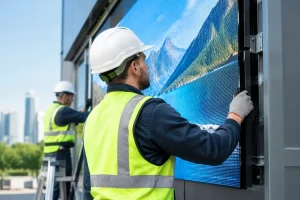
Even a well-manufactured screen can underperform if the installation has not been handled properly. Structural support, wind loading, power provision, data connectivity, cable routing and access for future maintenance all need to be addressed before the display goes live.
This is one reason many buyers prefer a supplier that can manage consultation, site survey, manufacture, installation and commissioning as a joined-up service. It reduces the risk of gaps between design intent and on-site reality. Outdoor LED projects often involve several stakeholders, from landlords and contractors to electrical teams and marketing departments. A hands-on supplier keeps those moving parts under control.
For example, a screen mounted on a retail or leisure site may need to balance visual impact with planning requirements, access limitations and public safety considerations. A transport environment may place greater emphasis on uptime, controlled messaging and remote monitoring. The screen itself is only one element. The success of the project depends on how the full solution is delivered.
What buyers should ask before specifying a weatherproof LED billboard screen
Good procurement is usually about asking better questions early. Not every supplier will volunteer the trade-offs, but they matter. Ask how the display is protected against prolonged moisture exposure, how heat is managed within the cabinet and what access is needed for servicing. Ask what happens if a module fails, how quickly replacement parts are available and whether remote diagnostics are included.
It is also worth asking who is responsible for software, content management and connectivity considerations. A screen can be physically sound but still create headaches if the control setup is unreliable or awkward for the end user. Buyers should be looking for a complete operational solution, not just a manufactured product.
There is also value in understanding where the screen is built and who stands behind it after installation. For many UK organisations, British manufacturing and local technical support offer practical advantages. Lead times can be clearer, communication is usually easier, and accountability tends to be stronger when the supplier is directly involved rather than acting as a distant reseller.
Bespoke design usually delivers better outcomes
Outdoor digital screens are rarely a perfect fit for off-the-shelf thinking. Screen dimensions, aspect ratio, mounting arrangement, content goals and environmental pressures vary too much. A bespoke approach does not mean making things more complicated. In many cases, it simplifies the project because the display is designed around the site from the outset.
That might mean adapting the screen size to suit a façade, specifying a cabinet layout that allows safe service access, or selecting the right configuration for a business park, shopping centre or roadside advertising application. The strongest results tend to come from solutions that have been shaped by how the site will actually function.
At LEDsynergy Billboards, that consultative approach is often what gives buyers confidence. It moves the conversation away from generic specification sheets and towards a screen system that works commercially, technically and operationally.
Reliability is a service issue as much as an engineering one
When buyers talk about reliability, they usually mean more than whether the screen switches on. They mean whether the supplier answers the phone, whether issues are dealt with promptly and whether the system has been designed to minimise risk from the beginning.
That is why support should not be treated as an afterthought. Outdoor screens are long-term assets. They need sensible maintenance planning, clear warranty terms and ongoing technical backup. If support is vague before the order is placed, it is unlikely to improve afterwards.
An experienced supplier will be open about what the system needs, where the trade-offs sit and how the installation can be future-proofed. Sometimes that means recommending a more economical option because it is genuinely the right fit. Sometimes it means advising a higher specification because the site demands it. Either way, good advice is grounded in application, not guesswork.
A weatherproof LED billboard screen should do more than survive the elements. It should give your organisation a dependable platform for advertising, information and public engagement, without constant intervention or unwelcome surprises. If the screen is designed well, installed properly and supported by people who know what they are doing, the result is not just an outdoor display. It is a reliable business asset that keeps working when the weather turns.

I would recommend LED Synergy to anyone considering purchasing an LED sign. We have had so many compliments since it was installed and it has been a valuable asset.
Tom Hughes
OSI Food Solutions