
Can Digital Billboards Withstand Harsh Weather?
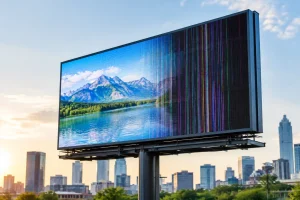
A roadside screen on the west coast of Britain may face driving rain, salt-laden air and strong gusts in the same week. A display outside a shopping centre can contend with summer glare, winter frost and accidental impact from busy public areas. So, can digital billboards withstand harsh weather? When they are properly specified, manufactured and installed for the site, the answer is yes – but not every outdoor LED screen is built to the same standard.
For a commercial buyer, weather resistance should never be a line item added at the end of a project. It shapes the cabinet design, screen brightness, structural calculations, electrical installation and long-term maintenance plan. Getting those details right first time is what protects both the investment and the revenue or communications opportunity it supports.
What harsh weather means for an outdoor billboard
The phrase “harsh weather” covers more than rain. In the UK, outdoor digital billboards must cope with prolonged moisture, wind-driven debris, changing temperatures, ultraviolet exposure and, in coastal or industrial locations, corrosive airborne contaminants. A screen can look perfectly sound on installation day yet develop avoidable faults if its enclosure, fixings or ventilation are unsuitable for its environment.
Rain is the most obvious concern. Water ingress can damage modules, power supplies and control equipment, while condensation inside a poorly designed cabinet can be just as troublesome. The relevant protection is usually expressed through an IP rating. For outdoor-facing LED displays, a suitably high rating indicates that the cabinet has been designed to resist dust and water entering the enclosure.
However, an IP rating is not a complete measure of outdoor suitability. It does not confirm that a billboard can resist the wind pressures at a particular elevation, remain readable in direct sunlight or manage heat effectively over a long operating day. Buyers should look at the complete system rather than relying on a single specification.
Can digital billboards withstand harsh weather over time?
They can, provided the design matches the location and the equipment is maintained. A weatherproof screen is not simply an indoor display placed inside a sealed box. Outdoor digital billboards need purpose-built cabinets, protected connections, carefully managed drainage and materials selected for continued exposure to the elements.
Water, humidity and condensation
A properly engineered outdoor cabinet prevents rainwater reaching sensitive components while allowing the display to manage internal humidity. Seals, gaskets, cable entries and door closures all matter. So does the way the cabinet is opened during servicing. A convenient access panel is of little value if it compromises protection once closed.
Temperature changes create another challenge. When a cold cabinet is warmed by internal electronics or direct sunlight, moisture can condense on components unless airflow and environmental control have been considered. The right approach depends on cabinet size, pixel pitch, operating schedule and local climate. In some settings, passive heat management is appropriate; in others, active cooling or heating is needed to maintain stable performance.
Wind loading and structural safety
Wind is often the defining factor in a billboard project. LED panels present a large surface area, and forces increase significantly with screen size, height and exposure. A sign on an open retail park, a building elevation or beside a major route needs structural assessment based on its exact location, not a generic assumption.
The screen framework, supporting steelwork, foundations and building fixings must work together. This is especially important when replacing a conventional static sign with a digital display, as the loading characteristics may differ. Wind loading calculations should account for the local exposure, mounting method and the condition of the existing structure where applicable.
There can be practical trade-offs. A heavier, more strongly engineered solution may cost more at the outset, but it can reduce the risk of future remedial works, downtime and safety concerns. For high-footfall or highly visible sites, that assurance is normally worth far more than a lowest-price approach.
Sunlight, heat and screen visibility
Outdoor screens must remain useful when bright sunlight hits the display. High-brightness LED technology helps content stay visible, but brightness alone is not the answer. Running a screen unnecessarily hard can increase energy use and heat generation, potentially shortening component life.
A well-specified system uses light sensing and brightness control to respond to ambient conditions. It should deliver strong daytime visibility while reducing output after dark, when excessive brightness can be distracting for neighbours, road users or visitors. This also supports sensible energy management and helps the display look better, rather than simply brighter.
Heat must be managed alongside brightness. Dark cabinet finishes, south-facing walls and enclosed installation positions can all increase thermal load. Experienced suppliers assess these factors during the site survey, then recommend an enclosure and cooling strategy appropriate to the screen’s real operating environment.
Frost, snow and changing temperatures
Most UK installations are not exposed to extreme continental winters, but freezing conditions still affect materials, electronics and access for maintenance. Components expand and contract over time, seals age, and any standing water around the base of a structure can create problems.
The key is not to assume that a display rated for an outdoor environment will perform identically in every configuration. A freestanding billboard on a raised steel structure, for example, faces different thermal and wind conditions from a wall-mounted display in a sheltered town centre. Bespoke design gives the project team room to account for those differences before installation begins.
The specification details that protect your investment
For buyers comparing proposals, it is worth asking how each supplier has addressed the conditions at the actual site. A credible answer should cover the screen enclosure, IP protection, cabinet materials, power distribution, data connections, drainage, access arrangements and structural design.
It should also include the display’s brightness range, temperature operating limits and method of heat management. If the billboard will be near the coast, ask specifically about corrosion resistance for external metalwork, fasteners and electrical connections. Salt air can accelerate deterioration even where the screen is not directly exposed to spray.
Electrical resilience deserves equal attention. Outdoor installations need appropriately protected supply arrangements, correctly specified earthing and safe isolation for servicing. Network connectivity should be planned with the same care. Whether content is delivered via a wired connection, a managed mobile network or another method, the system needs reliable monitoring and sensible fallback arrangements.
The practical lesson is simple: a screen specification should describe a complete installed solution, not just LED modules and a headline resolution.
Installation is as important as the screen itself
Even an excellent display can underperform if it is installed poorly. Incorrect sealing around cable routes, inadequate drainage, unsuitable fixings or incomplete commissioning can all expose a project to unnecessary weather-related risk.
A thorough site survey identifies issues before they become expensive changes on site. It considers access for installation equipment, safe maintenance routes, visibility, nearby buildings, prevailing conditions, power and communications infrastructure, and any planning or landlord requirements. It also helps establish whether a standard cabinet arrangement is suitable or whether the screen needs to be designed around a particular façade, pylon or supporting structure.
Commissioning should confirm more than whether the picture appears. The team should verify brightness settings, content control, power performance, monitoring and all relevant safety features. For organisations managing multiple locations, consistent commissioning and documentation make future support considerably easier.
Maintenance keeps weather protection working
Outdoor digital billboards are designed for continual operation, but they are not fit-and-forget assets. Scheduled inspection helps spot early signs of worn seals, blocked airflow, water pooling, corrosion or component fatigue before they affect the display.
The required frequency varies by site. A protected retail location may need a different programme from a coastal transport environment or an exposed roadside installation. What matters is having a support plan with clear responsibilities, responsive fault handling and access to replacement parts where needed.
This is where working with a specialist manufacturer and installer can reduce risk. LEDsynergy approaches each project as a complete display system, from survey and design through installation, commissioning and ongoing support. That continuity means the people supporting the screen understand how and why it was specified.
Questions to ask before approving an outdoor billboard
Before committing to a digital billboard, decision-makers should establish whether the proposal is designed for their exact exposure level, rather than merely labelled “outdoor”. Ask who is responsible for structural calculations and foundations, how water and condensation will be managed, and what provisions are included for safe servicing.
It is also sensible to ask how brightness will be controlled, what monitoring is available and what support is provided after handover. A supplier that can explain these points clearly is more likely to have considered the realities of long-term operation.
Weather will always test an outdoor display. The right billboard is not one that claims to ignore those conditions, but one designed around them from the first site survey onward. That gives your organisation the confidence to keep communicating, advertising and generating value when the forecast is at its worst.

I would recommend LED Synergy to anyone considering purchasing an LED sign. We have had so many compliments since it was installed and it has been a valuable asset.
Tom Hughes
OSI Food Solutions